Published November 26, 2025
Do Open Houses Still Work? Real Truth in Modern Real Estate

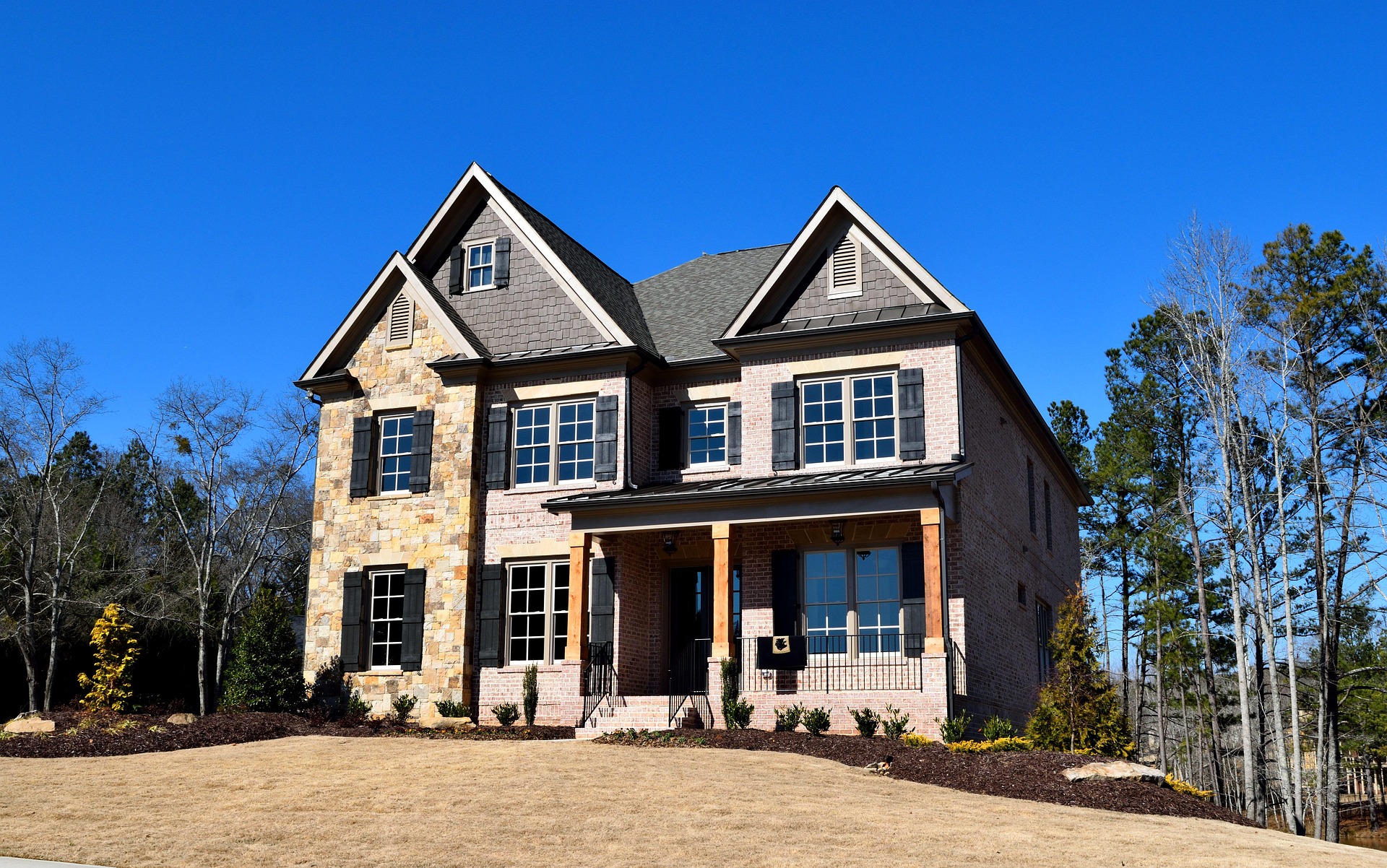
In an age where buyers can tour homes virtually, view 3D floor plans, and analyze property data from their phones, many sellers wonder whether open houses are still relevant — or if they’re an outdated tradition kept alive by habit. The real truth is more nuanced. Open houses do still work, but not always for the reasons people assume, and not for every property.
Open houses are less about selling the house on the spot and more about maximizing visibility, building interest, and creating buyer energy. While the majority of buyers find homes online, the open house remains a powerful tool that influences momentum and emotional response — especially in hot markets like Northern Virginia.
1. Open Houses Create Emotional Connection — Something Photos Can’t
Online listings showcase features.
Open houses showcase feel.
A buyer can look at 30 homes online in one evening. But when they physically step into a property:
- They can stand in the living room
- Look out the windows
- Feel the natural light
- Hear the quiet (or the nearby road noise)
- Sense the neighborhood vibe
This emotional connection is often what turns interest into action.
A buyer might LIKE a home online — but they FALL IN LOVE with it in person.
2. Open Houses Increase Exposure and Momentum
A well-scheduled open house often draws:
- casual buyers
- serious buyers
- neighbors
- future sellers
- agents scouting for clients
This creates something valuable: visible interest.
When a buyer sees other buyers walking around the home, they start thinking:
“I need to act fast if I want this.”
Real estate psychology matters.
Competitive urgency = stronger offers.
3. They Attract Unrepresented Buyers — But Not Always Qualified Ones
Some visitors come without an agent. They may be early in their search or just beginning to explore neighborhoods.
Pros:
- They may fall in love with the property
- They may write an offer directly
- They are “fresh buyers” not fatigued by losing bids
Cons:
- Some are simply curious
- Some are “just browsing”
- Some may not be pre-approved or financially ready
Not every open house visitor is a serious buyer — but it only takes one to make a sale.
4. Certain Types of Homes Benefit More Than Others
Open houses tend to work best for:
- Move-in ready homes
- Updated or staged properties
- Homes with strong curb appeal
- Homes in walkable areas
- Popular school districts
- Starter homes priced in the “sweet spot” of demand
They are less effective for:
- Ultra-high-end luxury homes
- Remote or rural locations
- Homes needing major repairs
- Properties with unique layouts
Some homes need targeted appointment-based showings — not open public access.
5. Safety & Security Considerations
With open houses, you’ll have dozens of people in your home.
Best practices include:
- Lock away valuables
- Remove personal documents
- Avoid displaying high-end electronics
- Don’t leave keys visible
- Don’t leave medicine in cabinets
A good real estate team also tracks sign-ins and monitors traffic during the event.
6. So Do Open Houses Actually Sell Homes?
Statistically, most homes are not directly sold as a result of an open house encounter.
But — and this is important — open houses often:
- create buzz
- accelerate interest
- trigger showings
- push undecided buyers into motion
- generate competing offers
Many homes that had a successful open house go under contract soon afterward, whether or not the buyer actually attended it.
Final Takeaway
Open houses still work — but not because a buyer walks in and writes an offer on the dining table. They work because they create energy, visibility, and market pressure. They allow buyers to emotionally experience the property, see other interested parties, and imagine themselves living there.
In modern real estate, the open house isn’t the only tool — but it remains a relevant and strategic one when used correctly and paired with strong online marketing.