Published May 13, 2026
Home’s Layout Matters More Than Square Footage

Why a Home’s Layout Matters More Than Square Footage
When buyers search for homes, square footage is often one of the first things they look at. Bigger numbers can sound more impressive, but size alone doesn’t determine how comfortable or functional a home feels. In many cases, a smaller home with a smart layout feels far more livable than a larger home with wasted or awkward space.
Understanding the difference between size and functionality helps buyers focus on how a home actually works for everyday life.
1. Bigger Doesn’t Always Feel Better
Two homes can have the exact same square footage but feel completely different inside.
One may feel:
- open
- bright
- functional
- easy to navigate
While the other may feel:
- cramped
- dark
- awkwardly divided
- inefficient
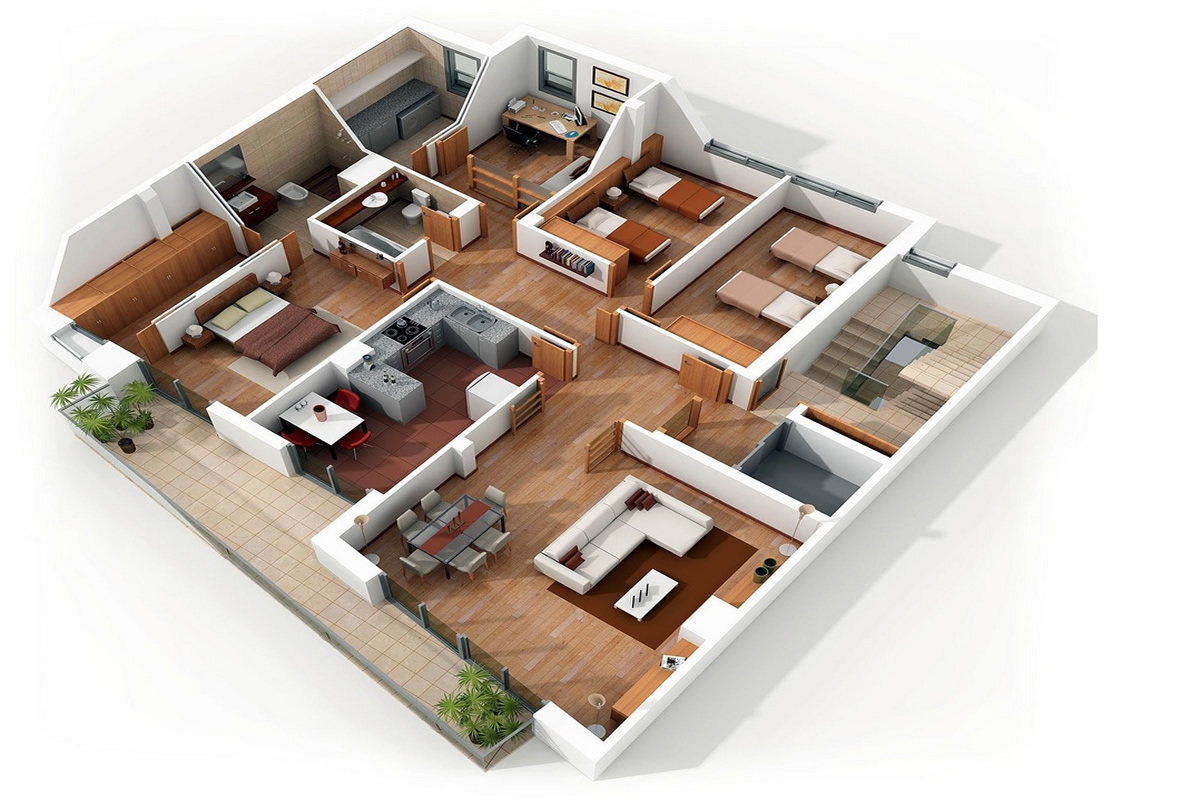
This is because layout impacts how space is experienced.
2. Wasted Space Adds Up Quickly
Some homes have large amounts of space that rarely get used.
Examples include:
- oversized hallways
- awkward formal rooms
- disconnected floor plans
- unnecessary corners or dead space
Buyers often pay for square footage they don’t actually benefit from.
3. Open Layouts Often Feel Larger
Homes with better flow usually feel more spacious — even if they’re technically smaller.
Features that improve flow include:
- open kitchen/living areas
- natural light
- higher ceilings
- fewer unnecessary walls
- clear sight lines
A well-designed 1,800 sq ft home can feel bigger than a poorly designed 2,300 sq ft one.
4. Lifestyle Matters More Than Raw Size
The “right” layout depends heavily on how someone lives.
Different buyers prioritize different things:
Some buyers want:
- open entertaining spaces
- large kitchens
- flexible office areas
Others prioritize:
- bedroom separation
- quiet spaces
- storage
- functional family layouts
The best layout is the one that supports your daily routine.
5. Furniture Placement Reveals Layout Problems
A home may look good empty but function poorly once furnished.
Signs of awkward layout include:
- limited wall space
- blocked walkways
- strange room dimensions
- difficult furniture placement
This is why buyers should mentally picture how they would actually live in the space.
6. Natural Light Changes How Space Feels
Light dramatically affects perception.
Homes with strong natural light often feel:
- larger
- cleaner
- more open
- more inviting
Meanwhile, dark layouts can make even large homes feel smaller.
7. Storage and Functionality Matter
Functional space is often more valuable than excess space.
Important features include:
- pantry space
- closet storage
- laundry room placement
- garage usability
- mudroom or organization areas
A practical home tends to feel better long-term than a simply larger one.
8. Resale Value Is Influenced by Layout Too
Buyer preferences evolve over time, but functional layouts consistently remain desirable.
Homes with:
- awkward room flow
- unusual layouts
- poor bedroom placement
…can sometimes be harder to sell later, even if they are large.
Good functionality has lasting value.