
Published November 26, 2025
Understanding Mortgages: What Buyers Need to Know Before Purchasing a Home

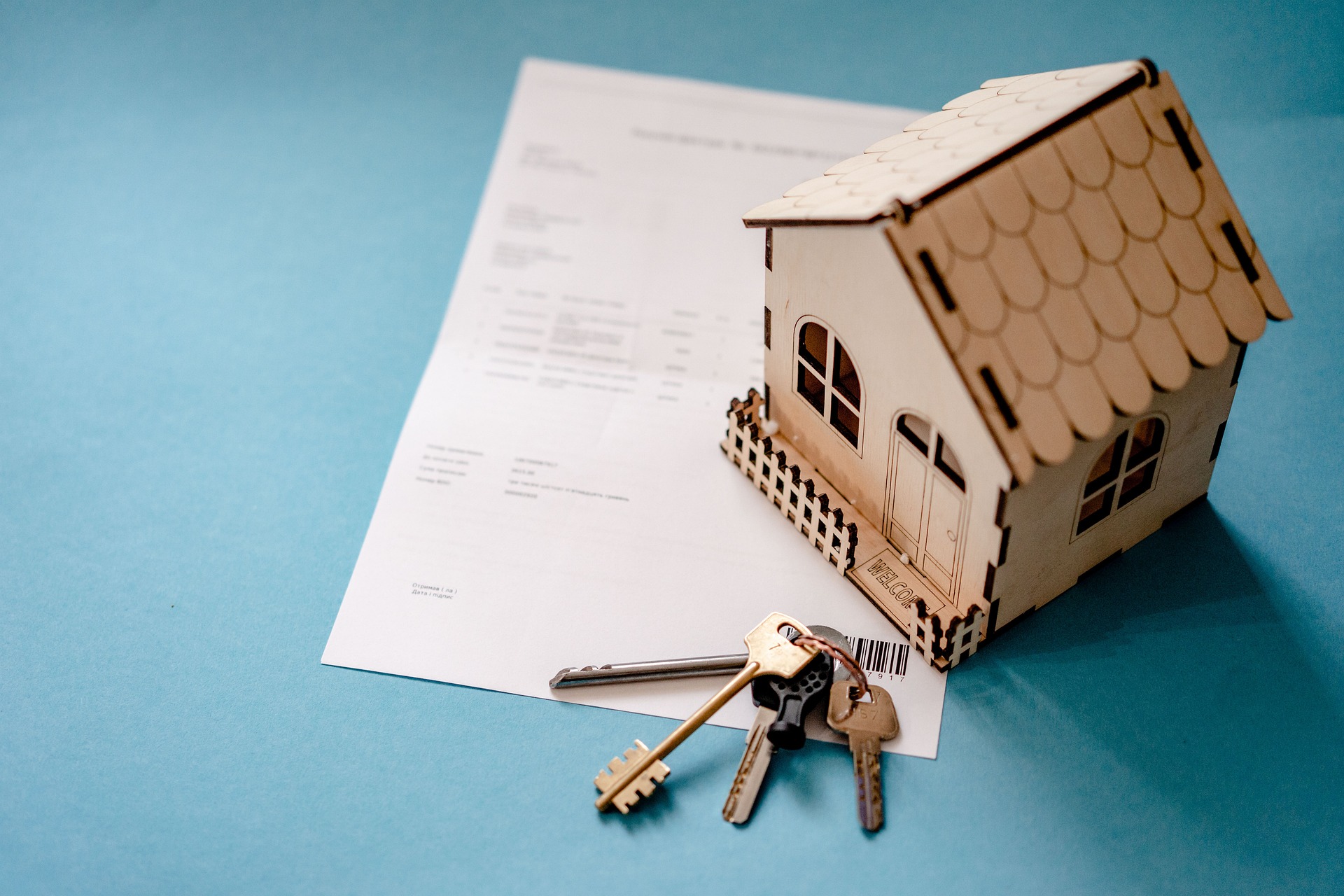
Buying a home is one of the biggest financial decisions you will ever make, and the mortgage you choose can affect your finances for decades. Many first-time buyers focus only on the sales price of the home, but how you finance it is equally important. Understanding mortgage types, rates, payments, fees, and loan structures can help you make decisions that support long-term financial health — not just the goal of locking down a property.
1. Interest Rates Make a Bigger Difference Than Most Buyers Realize
A small change in interest rate can dramatically change your monthly payment.
For example:
- At 6.5%, a $500,000 loan might mean ~$3,160/month.
- At 5.5%, it could be ~$2,838/month.
That’s a difference of $322 per month, and over 30 years, more than $115,000.
What this means for buyers:
- Don’t just shop for homes — shop for interest rates
- Compare multiple lenders
- Ask about rate locks
- Understand how credit score affects your rate
Sometimes the difference between affording the home you want vs. a compromise comes down to the rate, not the price.
2. Not All Mortgage Types Are the Same
Many first-time buyers don’t realize there are multiple loan options depending on income, credit score, down payment, and property type. Here are the most common:
Conventional Loans
- Ideal for buyers with good credit
- Minimum 3–5% down (but 20% removes PMI)
- Flexible property choices
FHA Loans
- Designed for buyers with lower credit or smaller down payments
- 3.5% down minimum
- More lenient approval criteria
- BUT includes mortgage insurance that lasts long-term
VA Loans
- For eligible U.S. veterans and service members
- 0% down
- No PMI
- Often lower rates
Jumbo Loans
- For higher-priced homes above standard loan limits
- Stricter approval criteria
Understanding which loan fits your situation can save thousands over time.
3. Down Payment Strategy: It Isn’t Always “The Bigger, The Better”
Many buyers believe they must put down 20%. That’s not always necessary.
Smaller Down Payment Pros:
- You can buy sooner
- You retain more cash for renovations or reserves
- You stay liquid for emergencies or investments
Larger Down Payment Pros:
- Smaller monthly payments
- No (or reduced) mortgage insurance
- Less interest paid over time
The smart approach balances:
- long-term financial comfort
- stability
- flexibility
Sometimes keeping cash in savings is wiser than tying every dollar into the house.
4. Mortgage Pre-Approval: More Than Just a Piece of Paper
A strong pre-approval does two things:
- It tells you how much home you can afford
- It shows sellers you are a serious and qualified buyer
But not all pre-approvals are equal.
A weak pre-approval:
- Quick online form
- Minimal verification
- Generic estimates
A strong pre-approval:
- Verified income
- Verified assets
- Credit checked
- Lender documentation ready
The second kind makes your offer more credible — especially in competitive markets.
5. Hidden Costs: Buyers Often Underestimate the Real Monthly Total
Your mortgage payment isn’t just principal + interest.
It typically includes:
- Taxes
- Homeowner’s insurance
- PMI (if under 20% down)
- HOA or condo dues (if applicable)
A home listed at $600,000 might feel affordable based only on the loan estimate — but HOA fees alone can add $200–$500 per month.
Smart buyers look at total monthly cost — not just the mortgage.
6. Credit Score Matters — More Than People Think
Your credit rating influences:
- the interest rate
- approval odds
- ability to remove PMI
- loan type qualification
Even a shift from 660 → 720 can mean a noticeably better rate and thousands saved.
Tip for buyers:
Sometimes waiting 2–4 months to improve credit score is more beneficial than rushing to buy.
7. Ask About Mortgage Points & Rate Buys-Down
In some market conditions, you can pay upfront to reduce your ongoing interest rate.
This is called "buying points."
Example:
- Pay $5,000 upfront
- Reduce rate by ~0.25%
- Save $80–$100/month
When this makes sense:
- You plan to stay in the home long-term
- You’re buying a higher-priced property
When it doesn’t:
- You may sell or refinance soon
Final Perspective
Understanding mortgages gives buyers real empowerment. The goal isn’t just to own a home. It’s to own one responsibly — with financial stability and flexibility. Strong mortgage decisions support long-term wealth, reduce stress, and make homeownership a sustainable and smart investment.
A home is emotional.
The mortgage is mathematical.
The winning strategy respects both.