
Published May 13, 2026
What Sellers Often Underestimate During the Selling Process

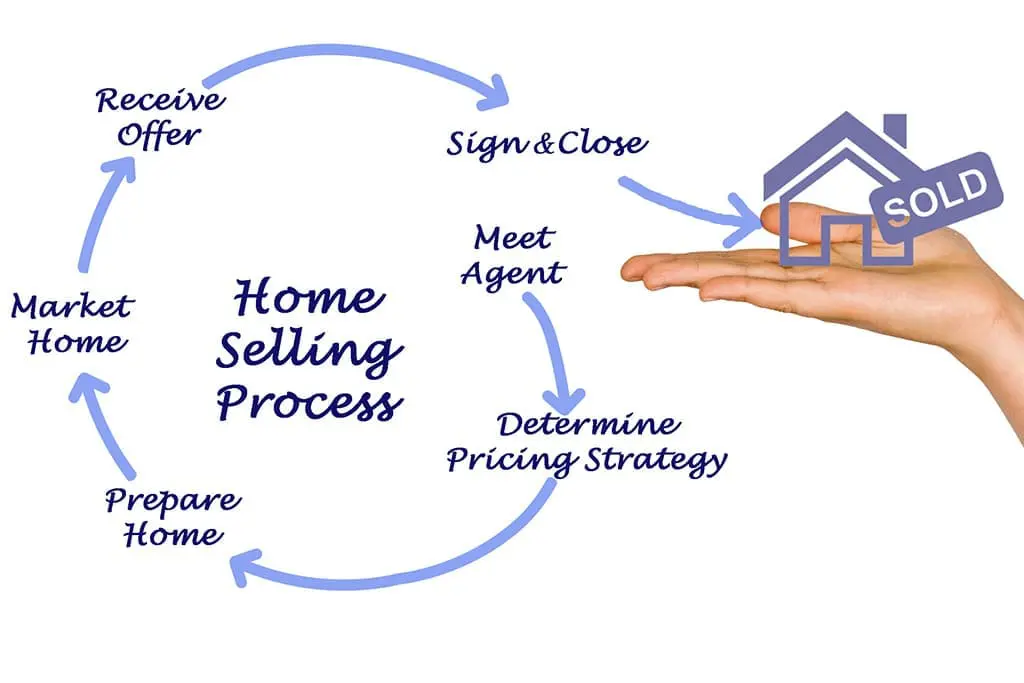
What Sellers Often Underestimate During the Selling Process
Many homeowners believe selling a home is mostly about putting the property online and waiting for offers. But once the process begins, sellers quickly realize there are many moving parts that affect timing, negotiations, stress levels, and final results.
Some of the biggest challenges in real estate aren’t obvious at the beginning — which is why preparation and realistic expectations matter so much. Understanding what sellers commonly underestimate helps create a smoother and more successful experience.
1. How Emotional the Process Can Feel
Even when sellers are excited to move, selling a home is often emotional.
A home represents:
- memories
- milestones
- time and effort
- financial investment
Because of this, sellers sometimes take feedback personally or feel frustrated by negotiations.
Examples include:
- low offers
- repair requests
- buyer criticism
- price discussions
The emotional side of selling is very real — even in highly logical transactions.
2. How Much Presentation Affects Buyer Interest
Many sellers underestimate how strongly presentation impacts buyer perception.
Small things matter more than expected:
- lighting
- cleanliness
- smell
- clutter
- furniture placement
- curb appeal
Buyers form impressions quickly, and presentation directly affects how valuable a home feels.
3. The Importance of Flexibility
Selling a home often requires schedule flexibility.
This can include:
- last-minute showings
- inspection appointments
- appraisals
- negotiations
- moving timeline adjustments
Homes that are easier to show usually attract more buyers and stronger activity.
4. How Critical Pricing Strategy Is
Some sellers believe they can “test the market” by pricing high first and lowering later if necessary.
But the market reacts immediately.
Overpriced homes often experience:
- reduced showing activity
- lower buyer excitement
- longer market time
- weaker negotiating power later
The first weeks on market are usually the strongest opportunity window.
5. Inspection Negotiations Can Be Stressful
Many sellers are surprised by how detailed inspections become.
Even well-maintained homes may generate requests involving:
- repairs
- credits
- safety concerns
- maintenance items
This part of the process often requires patience and realistic expectations from both sides.
6. Moving Logistics Become More Complicated Than Expected
Sellers often focus so much on the sale itself that they underestimate the complexity of moving.
Common challenges include:
- coordinating timelines
- packing and storage
- overlap between homes
- temporary housing
- post-closing occupancy arrangements
Planning early helps reduce stress later.
7. Buyers Notice More Than Sellers Expect
Homeowners naturally become accustomed to their home over time.
But buyers notice details sellers may no longer see, including:
- odors
- worn finishes
- maintenance issues
- cluttered storage spaces
- dated appearance
Fresh outside perspective matters.
8. Selling Is Both Financial and Psychological
The process is not just about numbers.
Buyer decisions are heavily influenced by:
- perception
- emotion
- confidence
- urgency
Homes that create positive emotional reactions often perform better in the market.
Final Thought
Selling a home involves much more than listing a property online. It requires preparation, flexibility, emotional balance, and strategic decision-making throughout the process. Sellers who understand the realities of the experience are usually better prepared to navigate it calmly and successfully.
The smoother the preparation, the smoother the transaction tends to be.