
Published May 13, 2026
Why Buyers Should Visit a Neighborhood More Than Once Before Purchasing

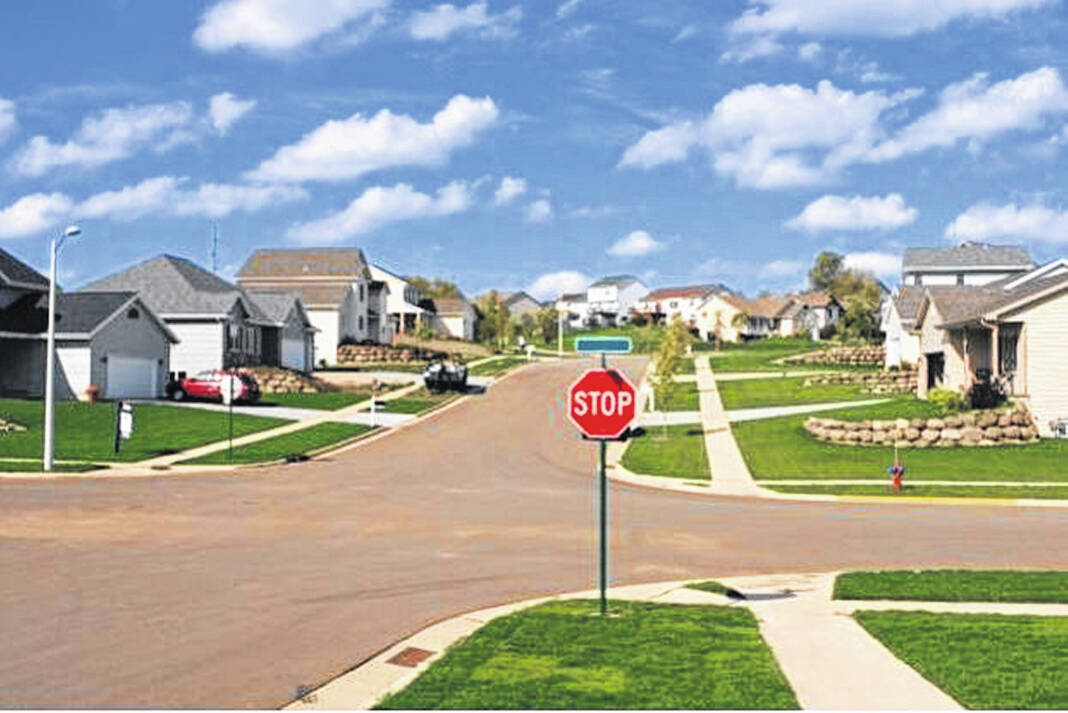
Why Buyers Should Visit a Neighborhood More Than Once Before Purchasing
When buyers find a home they love, it’s easy to focus entirely on the property itself — the layout, kitchen, yard, or finishes. But buying a home also means buying into a neighborhood, a daily routine, and a surrounding environment. A house may look perfect during one quick showing, but the experience of living there can feel very different over time.
That’s why visiting a neighborhood multiple times before purchasing is one of the smartest things buyers can do.
1. Neighborhoods Feel Different at Different Times of Day
A quiet street at 2 PM may feel completely different at:
- rush hour
- late evening
- early morning
- weekends
Things buyers may notice during different visits include:
- traffic patterns
- parking availability
- noise levels
- school pickup activity
- nearby business activity
A second or third visit often reveals things that don’t appear during the initial showing.
2. Commute Experience Matters More Than Expected
Many buyers estimate commute times online without experiencing them in real life.
Actually driving the route helps buyers understand:
- traffic flow
- stress level
- convenience
- timing consistency
A home may seem perfect until the daily commute becomes exhausting.
3. Buyers Should Experience the Area — Not Just the House
Living somewhere involves more than the property itself.
Buyers should explore nearby:
- grocery stores
- restaurants
- parks
- walking areas
- coffee shops
- fitness centers
- local businesses
This helps determine whether the overall lifestyle fits their preferences.
4. Noise and Activity Levels Can Change Dramatically
Some environmental factors are easy to miss during short showings.
Examples include:
- nearby train noise
- highway traffic
- nightlife activity
- airport flight paths
- construction areas
Multiple visits improve awareness of the area’s true atmosphere.
5. Weekdays and Weekends Can Feel Completely Different
Some neighborhoods feel calm during weekdays but busy on weekends — or the opposite.
Visiting on different days helps buyers understand:
- parking conditions
- community activity
- traffic patterns
- overall energy of the area
This gives a more complete picture of everyday life.
6. Future Resale Value Is Connected to Neighborhood Appeal
Strong neighborhoods tend to maintain stronger long-term demand.
Things buyers should observe include:
- property upkeep nearby
- new development activity
- overall neighborhood condition
- nearby retail or infrastructure growth
The surrounding environment influences future appreciation and resale value.
7. Emotional Excitement Can Hide Practical Concerns
Sometimes buyers become emotionally attached to the home itself and overlook practical issues around it.
A second visit helps buyers slow down and ask:
- Does this location truly fit my lifestyle?
- Will I still enjoy this area long-term?
- Am I overlooking anything important?
Distance from the initial excitement often leads to clearer decision-making.
8. The Goal Is Long-Term Comfort — Not Just Immediate Excitement
A home purchase affects everyday life for years.
The right neighborhood should support:
- convenience
- comfort
- lifestyle preferences
- future flexibility
The property matters — but so does everything around it.
Final Thought
Buying a home isn’t only about choosing a house — it’s about choosing where your daily life will happen. Visiting a neighborhood multiple times helps buyers move beyond first impressions and make more informed, confident decisions.
Sometimes the second or third visit reveals things that matter just as much as the home itself.