
Published May 19, 2026
Why Buyers Shouldn’t Skip Researching Future Development Around a Home

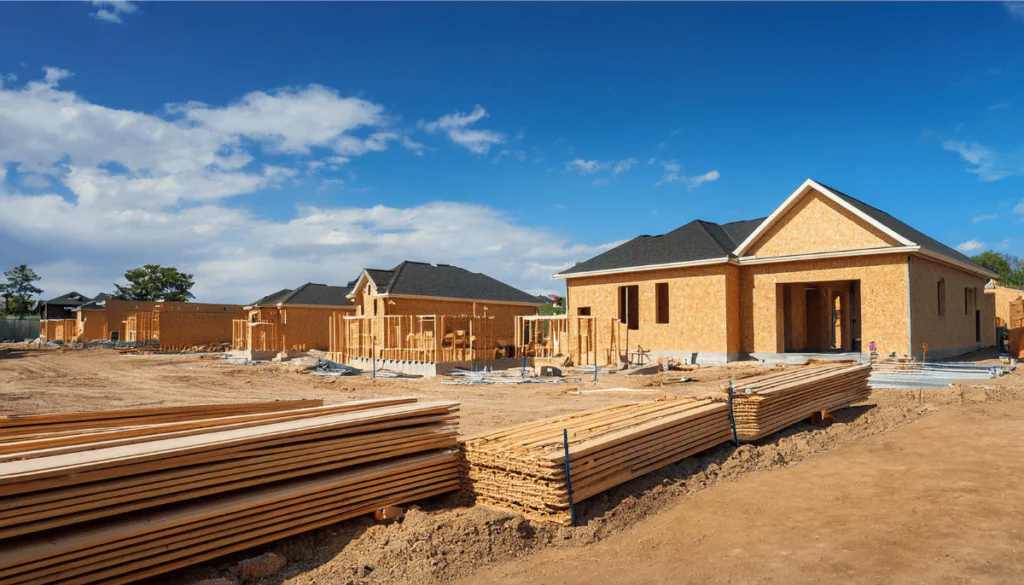
Why Buyers Shouldn’t Skip Researching Future Development Around a Home
When buyers fall in love with a home, they often focus entirely on what the property and neighborhood look like today. But real estate is constantly changing. New roads, shopping centers, apartment buildings, office spaces, and construction projects can dramatically affect traffic, noise, convenience, and even future property values.
That’s why smart buyers don’t just evaluate the current neighborhood — they also research where the area may be heading in the future.
1. Future Development Can Change Daily Life
An area that feels quiet today may feel very different a few years later.
Future development can impact:
- traffic levels
- commute times
- parking availability
- noise
- overall neighborhood atmosphere
A peaceful street today may eventually become much busier depending on nearby projects.
2. Development Can Increase Property Values
Not all development is negative.
New projects can improve:
- local amenities
- restaurants and retail
- transportation access
- job opportunities
- neighborhood demand
Areas with smart growth often experience stronger appreciation over time.
3. Buyers Should Pay Attention to Empty Land Nearby
Vacant lots or undeveloped land near a property may not stay empty forever.
Buyers should ask:
- Is future construction planned?
- Is the land zoned for residential or commercial use?
- Are there upcoming infrastructure projects?
The view or privacy buyers enjoy today could eventually change significantly.
4. Traffic Patterns Can Shift Over Time
One of the biggest changes future development creates is traffic.
New:
- apartment complexes
- shopping centers
- schools
- office buildings
…can increase congestion and change commute experiences dramatically.
This may affect both quality of life and future buyer demand.
5. School and Infrastructure Improvements Matter Too
Positive future development often includes:
- improved schools
- road expansions
- parks and recreation
- public transportation improvements
These projects can increase long-term neighborhood desirability.
6. Zoning Plays a Bigger Role Than Many Buyers Realize
Zoning determines what types of buildings or businesses may eventually appear nearby.
Examples include:
- residential development
- mixed-use projects
- commercial centers
- industrial use
Understanding zoning helps buyers avoid surprises later.
7. Future Development Affects Resale Value
Even if buyers plan to stay long-term, future resale matters.
Positive development may:
- increase demand
- improve appreciation
- attract more buyers later
Negative surrounding development may:
- increase noise
- reduce privacy
- impact buyer perception
The surrounding area evolves over time.
8. Buyers Should Think Long-Term — Not Just Emotionally
A beautiful home can create strong emotional excitement.
But buyers should still ask:
- What might this area look like in 5–10 years?
- Will future changes improve or hurt my lifestyle?
- Does this location still make sense long-term?
Thinking ahead often leads to stronger decisions.
Final Thought
Buying a home is also investing in the future of an area. Neighborhoods are constantly evolving, and future development can significantly affect comfort, convenience, traffic, and property values over time. Buyers who research both the home and the future direction of the surrounding area usually make more informed and confident decisions.
In real estate, what’s coming next can matter just as much as what exists today.